Testing at Charlotte Prep
April 9th, 2026
 When people hear “standardized testing,” a certain image may come to mind. A large, vacuous gym with dozens of long tables set up. Pencils tapping on tables, TI-83 calculators in hand, and a couple hundred students sweating over a test that feels incredibly high stakes.
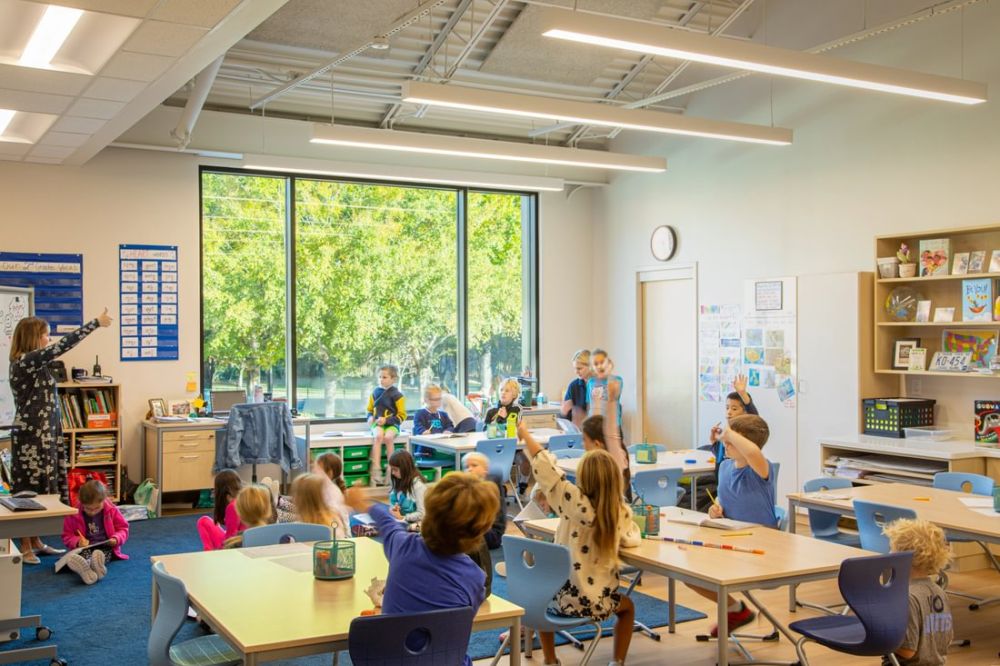
But testing at Charlotte Prep looks very different...
In our classrooms, we do not “teach to the test” or hang the threat of end-of-grade exams over students’ heads as motivation to participate in learning. Engagement and participation are driven by relationships, meaningful learning experiences, and students’ interests, strengths, and curiosity.
Understanding is assessed continuously through informal checks and a variety of measures. Our small classes allow teachers to truly know their students and understand where they are academically.
Standardized testing has its place, however. As part of our strategic plan, we’ve been evaluating how we use testing and gather data to better measure student progress and assess our curriculum.
Below, we hope to clarify what standardized testing is, what it is not, and how we use it to support both students and families.
Testing at Prep
| Grade | Test | Provider |
|---|---|---|
| Grades 3-6 | CTP-5 (Comprehensive Testing Program, Fifth Edition) | ERB (Education Records Bureau) |
| Grade 7 | Independent School Entrance Exam (ISEE) For Practice | ERB (Education Records Bureau) |
| Grade 8 | Independent School Entrance Exam (ISEE) For High School Placement | ERB (Education Records Bureau) |
| Grade 8 | National Spanish Exam | ATSP (American Association of Teachers of Spanish and Portuguese) |
| Grade 8 | CTP-5 Algebra Sub-Test (For students in Geometry or Algebra only) | ERB (Education Records Bureau) |
| Grade 8 | Core Class Final Exams | Charlotte Preparatory School |
What Standardized Testing Is at Charlotte Prep
A snapshot – not the full picture
We see these metrics as one snapshot of student learning—not the full picture. We believe in teaching the whole child, so classroom performance, projects, discussions, and teacher observations all remain essential parts of understanding a child’s learning and serve as the foundation of our academic program.
A tool for reflection and growth
For schools, these assessments offer valuable data. Because we use outside testing organizations, they provide an external perspective on how our students perform collectively and how our curriculum is serving them. Over time, this helps us refine our program, celebrate strengths, and identify areas for growth.
Preparation for future test-taking
Like it or not, standardized testing is a part of our education system, and our students will continue to encounter these tests throughout their academic careers. Exposure to this style of online, multiple-choice test format in a low-stakes environment will better prepare them for taking them in high school and beyond, when they might carry more weight.
What Standardized Testing Is Not at Charlotte Prep
Not the sole indicator of learning
Standardized tests are just one of many tools we use. Teachers rely far more on daily assessments, classwork, and interactions to understand how students are learning and where they need support.
Not a driver of our teaching
Instead of teaching to the test, we focus on building deep understanding, critical thinking, and problem-solving skills. When those are in place, students can transfer their learning to a variety of contexts, including standardized testing.
Not a perfect system
It’s important to acknowledge that standardized tests have limitations. Factors like test anxiety, differences in formats (even with preparation), or even a bad day can affect performance. That’s why we interpret results carefully and always in context.
How to Prepare
We use standardized testing primarily as an internal tool to support our students. It provides one data point to help inform families, guide instruction, and evaluate our curriculum. Over time, we look for trends that help us refine our academic program. At Charlotte Prep, testing is not high stakes – nothing like that sterile gym you might remember. There’s no cause for sweat!
- Look out for reminders from teachers and through school communications. For 3rd-6th-grade CTP ERB testing, students need to bring a charged computer and a book each day.
- Take care of basic needs! Students will benefit from a good night’s sleep, a hearty breakfast, and a healthy snack on test days.
- Keep the experience in perspective. Remind your child this is just one snapshot of their skills—not a measure of their overall progress or understanding. Encourage them to see it as a challenge rather than something to fear, and help them understand that the experience itself can be a valuable opportunity to learn.
More News from Charlotte Prep
 Sep24Building the Foundations for Student Learning
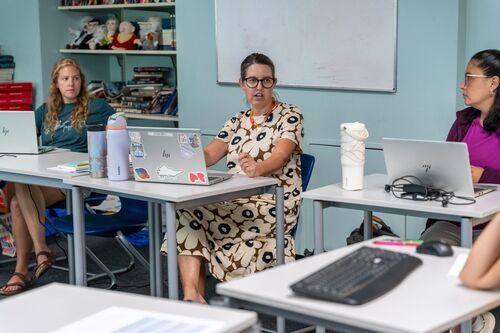
During our in-service professional learning day in August, we reflected on six years of curriculum development since launching our summer grant program in 2021. What began that year as a group of only eight teachers has grown into a cohort of twenty-four summer grant participants, all working to strengthen and elevate our academic program.
See Details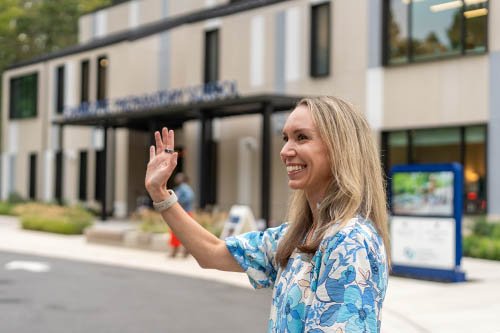 Sep17Get to Know Katie Keels
Joining Charlotte Prep as director of philanthropy this year, Katie Keels brings 14 years of advancement experience, 11 of which were spent at a K-8 school. Read our Q&A to discover what inspires her approach to philanthropy and her vision for nurturing a joyful, community-centered culture of giving.
See Details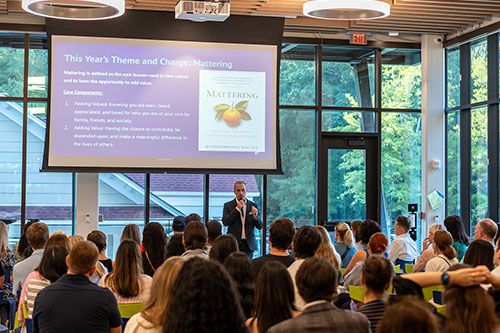 Sep3A Campus Culture Where Everyone Matters
Last week, a parent told me that her child begs to come to school and doesn’t want to leave at the end of the day, something she never felt as a kid. That conversation offered a great image for what I want our theme to be this school year: Mattering.
See Details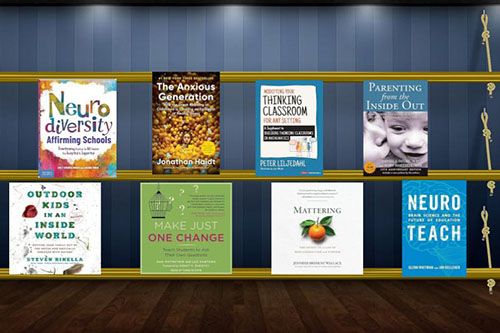 Jun4What's on Our Summer Reading List
The upcoming break provides a great opportunity for our faculty and staff to dive into reading they may not have had time for during the school year. While their summer reading lists will surely include a few fun beach picks, many are also exploring titles that will inspire their work in the year ahead, whether through books on pedagogy, young adult novels, or picture books they may bring into their classrooms. See what our faculty and staff are adding to their summer stacks.
See Details