Anchor Tasks Ground New Learning
January 29th, 2026
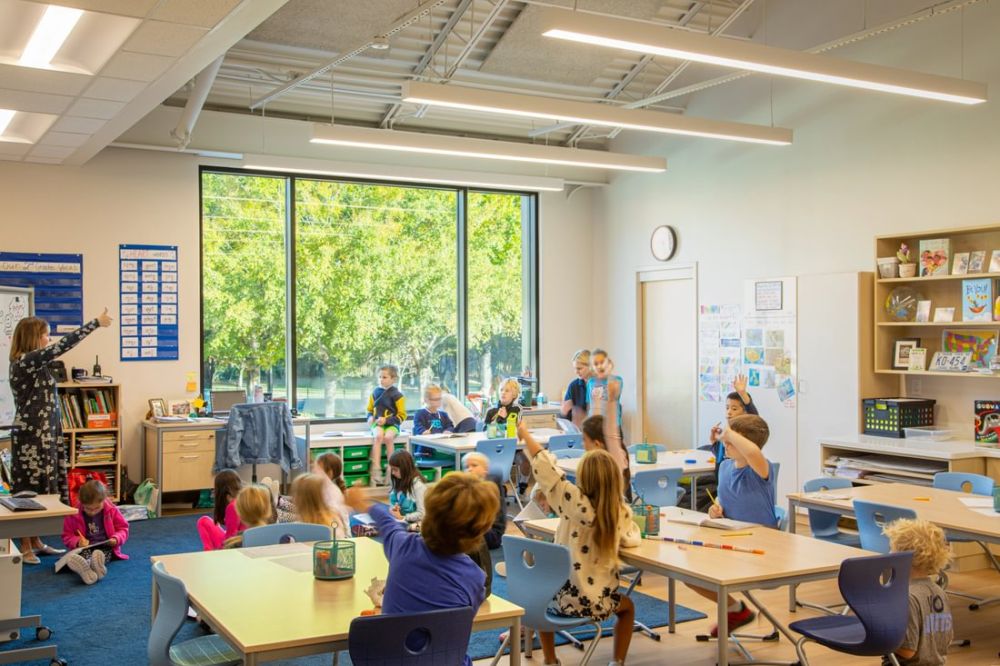
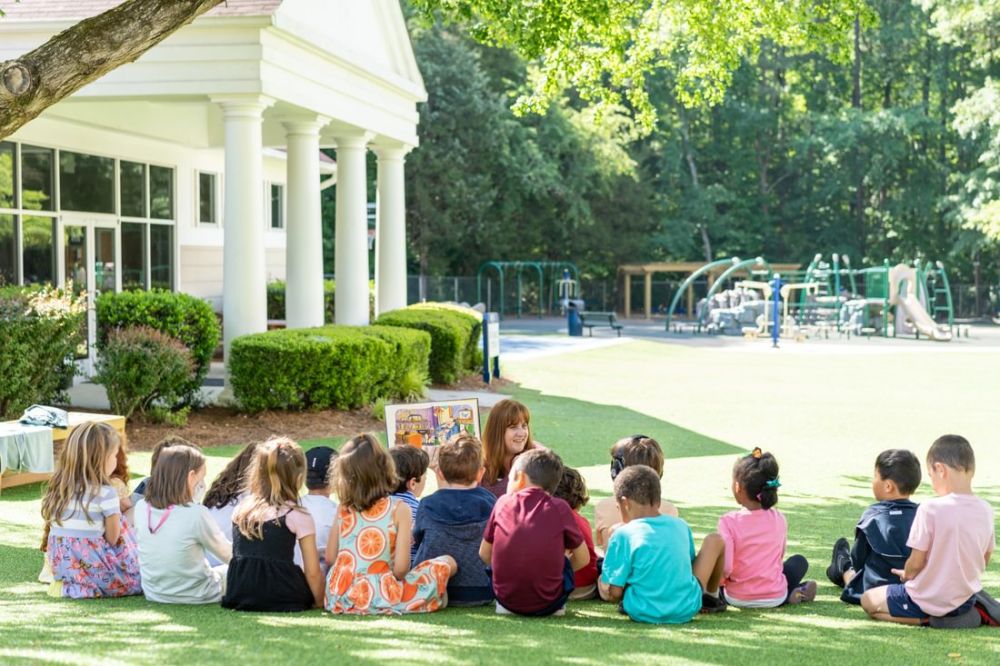
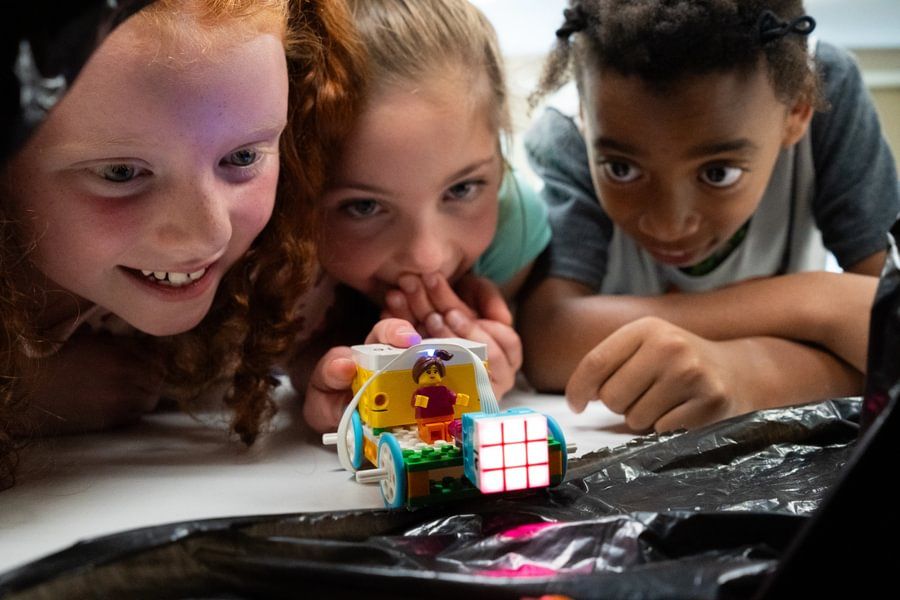
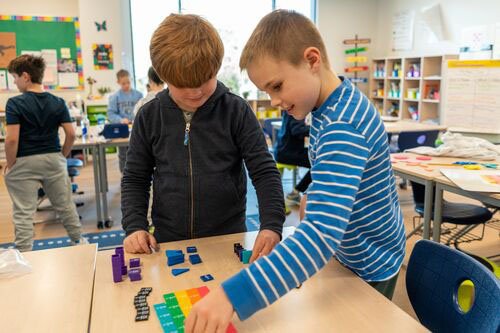
 Anchor tasks help students tap into their prior knowledge to prepare them to engage in learning something new. These brief discussions or activities make meaningful real-world connections to the concepts and skills students are about to explore. Teachers in Charlotte Prep’s lower school thoughtfully plan anchor tasks to launch a new unit or lesson, sparking curiosity and building excitement.
Anchor tasks also serve as a valuable formative assessment tool. As students share their thinking, teachers gain immediate insight into what the class already knows and understands. This real-time feedback allows teachers to adjust instruction as needed, ensuring lessons are responsive and aligned with the needs of their students.
So what do anchor tasks look like in our lower school?
- In a kindergarten science unit on weather, students start by considering how weather conditions affect flying a kite. They draw on their experiences and look at videos to make observations about the best weather conditions for kite flying.
- In a second-grade social studies unit on westward expansion, students are introduced to the concept of relocation by imagining what it would be like to move to an underwater city called Coral Cove. As they explore this scenario, students thoughtfully weigh the benefits, such as swimming to school and playing with seacreatures at recess, against the challenges. By reflecting on the implications of moving to Coral Cove, students build a foundation for understanding why people choose to move to new places.
- In a third-grade math unit, students are presented with the following scenario to prepare for a lesson on fractions. Two children make pizzas of the same size and cut them into equal slices. One child eats two slices while the other eats one, yet both eat the same amount of pizza. How were the pizzas cut?
These anchor tasks invite students to engage with content right away, and students return to them throughout the unit as their understanding deepens. As they build new knowledge and skills, students also practice flexible thinking, clear communication, and collaboration, creating a strong foundation for meaningful learning.
More News from Charlotte Prep
 Sep24Building the Foundations for Student Learning
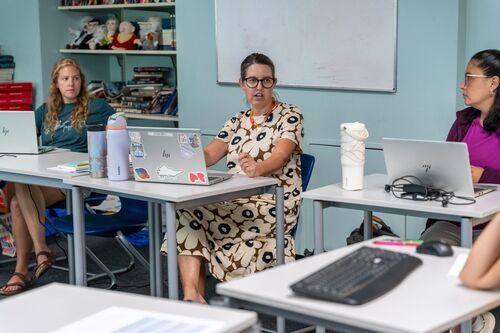
During our in-service professional learning day in August, we reflected on six years of curriculum development since launching our summer grant program in 2021. What began that year as a group of only eight teachers has grown into a cohort of twenty-four summer grant participants, all working to strengthen and elevate our academic program.
See Details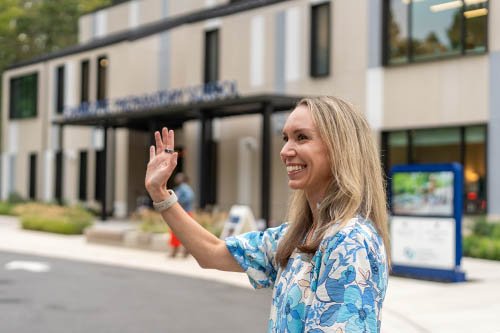 Sep17Get to Know Katie Keels
Joining Charlotte Prep as director of philanthropy this year, Katie Keels brings 14 years of advancement experience, 11 of which were spent at a K-8 school. Read our Q&A to discover what inspires her approach to philanthropy and her vision for nurturing a joyful, community-centered culture of giving.
See Details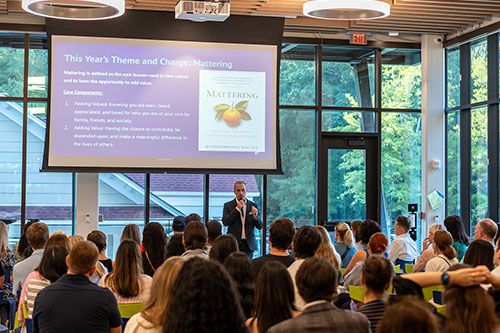 Sep3A Campus Culture Where Everyone Matters
Last week, a parent told me that her child begs to come to school and doesn’t want to leave at the end of the day, something she never felt as a kid. That conversation offered a great image for what I want our theme to be this school year: Mattering.
See Details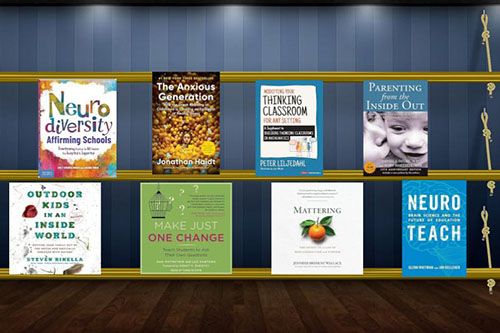 Jun4What's on Our Summer Reading List
The upcoming break provides a great opportunity for our faculty and staff to dive into reading they may not have had time for during the school year. While their summer reading lists will surely include a few fun beach picks, many are also exploring titles that will inspire their work in the year ahead, whether through books on pedagogy, young adult novels, or picture books they may bring into their classrooms. See what our faculty and staff are adding to their summer stacks.
See Details