Building a Culture of Feedback
October 23rd, 2025
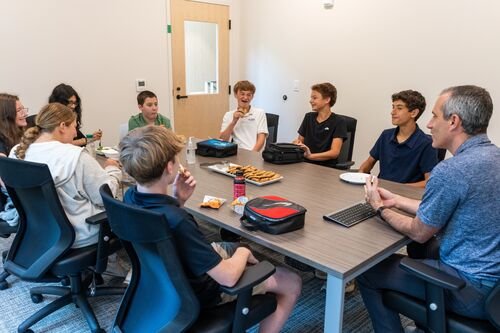
 Since I arrived at Prep, I have been pondering the question: How does a head of school help build a robust school culture? I believe one of our most powerful tools for this purpose is fostering a continuous feedback loop that includes our students and faculty. When these core constituents feel their opinions are not only heard but truly valued, their sense of ownership and engagement grows exponentially. Having now met with nearly every staff member and countless students, I am hoping to foster a school environment that signals a commitment to active partnership and authentic communication.
This commitment is especially critical when addressing fundamental aspects of school life, such as our dress code and our daily schedule. Policies like the dress code, while intended to maintain a positive and orderly learning environment, can sometimes be perceived differently by the students they affect. Seeking their input ensured the new policy reflected Prep’s community values and was perceived as fair and equitable—though I have yet to find a dress code that is universally praised! Similarly, a new schedule impacts every student's day, from their focus in classes to their well-being and stress levels. Soon, we will gather feedback about our new daily schedule from students in 4th-8th grade. By involving students in the conversation, we gain invaluable insights into how this crucial structure affects their learning and overall experience, allowing us to build a schedule that truly supports both academic excellence and emotional health.
Ultimately, building a culture of feedback extends far beyond specific policies; it is about cultivating an environment of trust and mutual respect. By asking students and faculty/staff about their overall experience at the school—including what is working well and where they see room for improvement—we empower community members to become proactive agents of positive change. When students and teachers see that their ideas lead to tangible adjustments, their motivation, engagement, and sense of purpose flourish. As educators at Prep, our mission is to prepare students for a world that demands initiative, problem-solving, and creative thinking. By actively involving them in the governance and continuous improvement of their own school, we provide a vital, real-world lesson that will serve them long after they graduate.
More News from Charlotte Prep
 Oct22Brooke's Prep Story
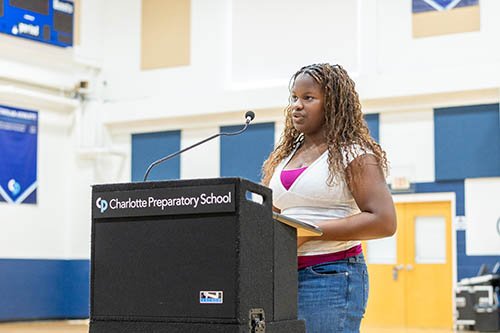
My name is Brooke, and I am currently serving as Charlotte Prep student council vice president. I feel as though I’ve truly grown up at Charlotte Prep. I have attended this school since kindergarten and have appreciated the nurturing, supportive, and inclusive community throughout my years here.
See Details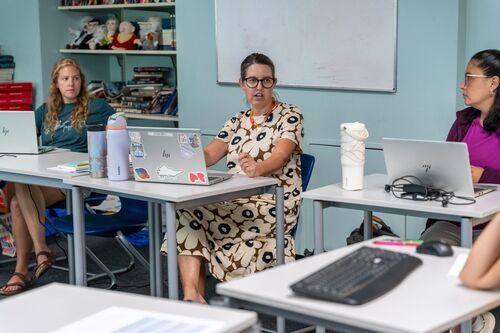 Sep24Building the Foundations for Student Learning
During our in-service professional learning day in August, we reflected on six years of curriculum development since launching our summer grant program in 2021. What began that year as a group of only eight teachers has grown into a cohort of twenty-four summer grant participants, all working to strengthen and elevate our academic program.
See Details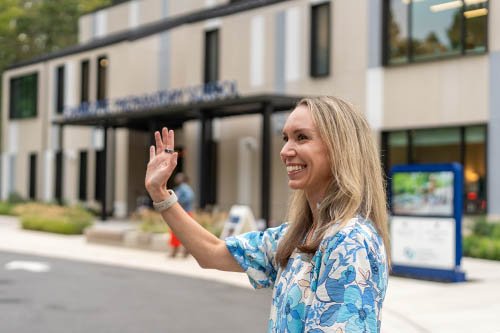 Sep17Get to Know Katie Keels
Joining Charlotte Prep as director of philanthropy this year, Katie Keels brings 14 years of advancement experience, 11 of which were spent at a K-8 school. Read our Q&A to discover what inspires her approach to philanthropy and her vision for nurturing a joyful, community-centered culture of giving.
See Details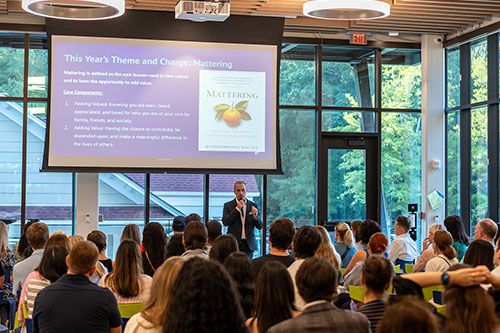 Sep3A Campus Culture Where Everyone Matters
Last week, a parent told me that her child begs to come to school and doesn’t want to leave at the end of the day, something she never felt as a kid. That conversation offered a great image for what I want our theme to be this school year: Mattering.
See Details