Growing Flexible Thinkers
October 30th, 2024
 Sharon Vanella and Megan Wright
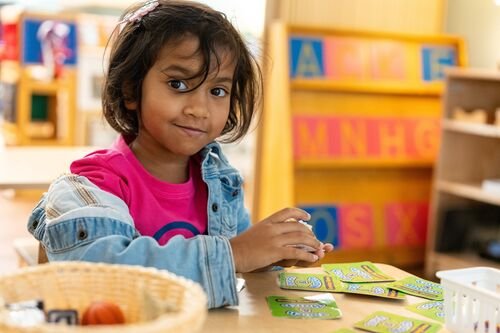
When we think about preparing young children for school, many parents focus on foundational academics, like counting or recognizing shapes, or social skills, such as sharing and communicating. While these are essential, there’s another skill that deserves equal attention: flexible thinking.
Flexible thinking is the ability to see things from different perspectives, adapt to changes, and solve problems creatively. For young children, who often live by structured schedules and routines, learning to think flexibly helps them navigate changes and tackle everyday challenges with resilience. At Charlotte Prep, we nurture this skill from the start, creating a foundation for a lifetime of adaptable, confident learning.
Building Problem-Solving Skills
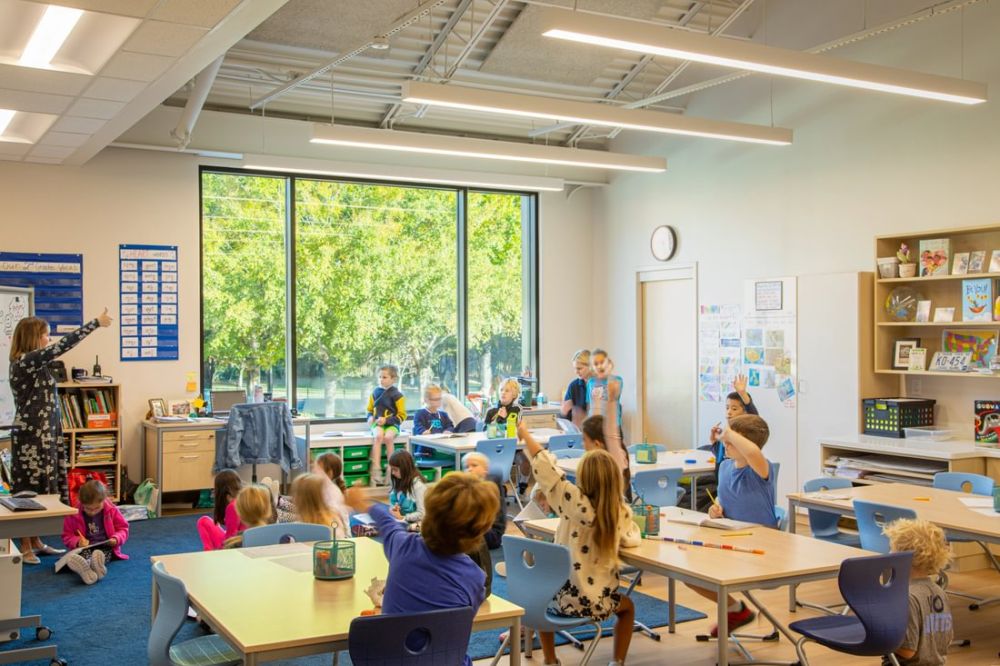
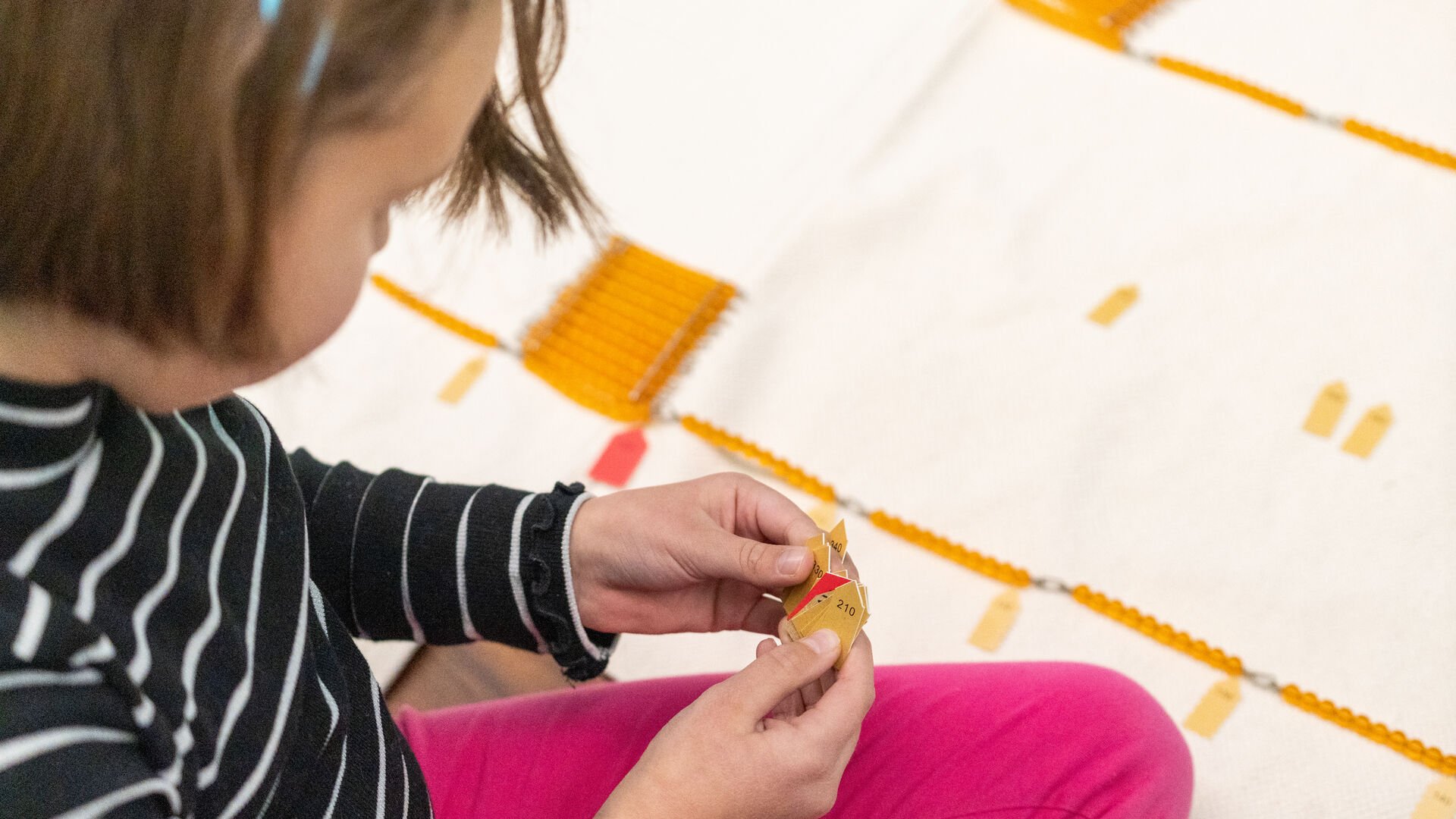
Flexible thinking enhances problem-solving abilities by encouraging persistence and creative approaches. In our Montessori classrooms, students follow an open-ended work cycle where they choose materials that interest them and advance through activities designed to build sequential skills. These materials are self-correcting, allowing children to work independently and learn from trial and error. The goal isn’t just the “right answer”—it’s to develop the courage to try again, building persistence and flexibility.
Multi-step, sequential activities help students develop task persistence and working memory, which helps them work through frustrations, focus on learning outcomes, and build the confidence to take on more challenges.
Managing Transitions
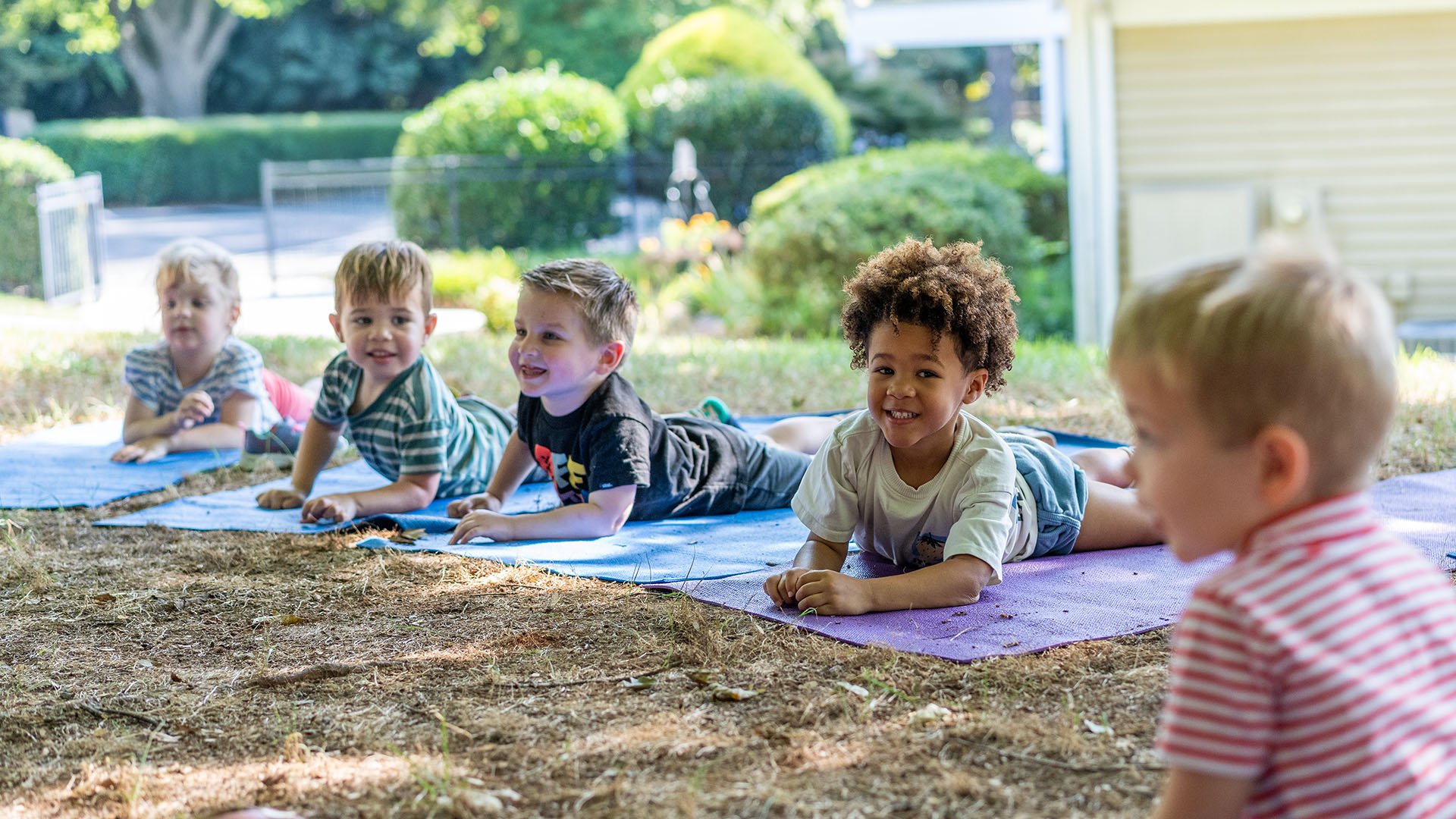
Daily school life involves many transitions—moving between lessons, special area classes, and lunch or recess. Young children are deeply engaged in their work, and pausing a project can be challenging. Our teachers help by giving verbal and visual reminders, assuring students that they’ll have a chance to return to unfinished work.
Children who learn to adapt to transitions are also developing emotional flexibility. By practicing these small changes, they’re better equipped to handle larger transitions as they grow.
Learning to Handle Disappointments
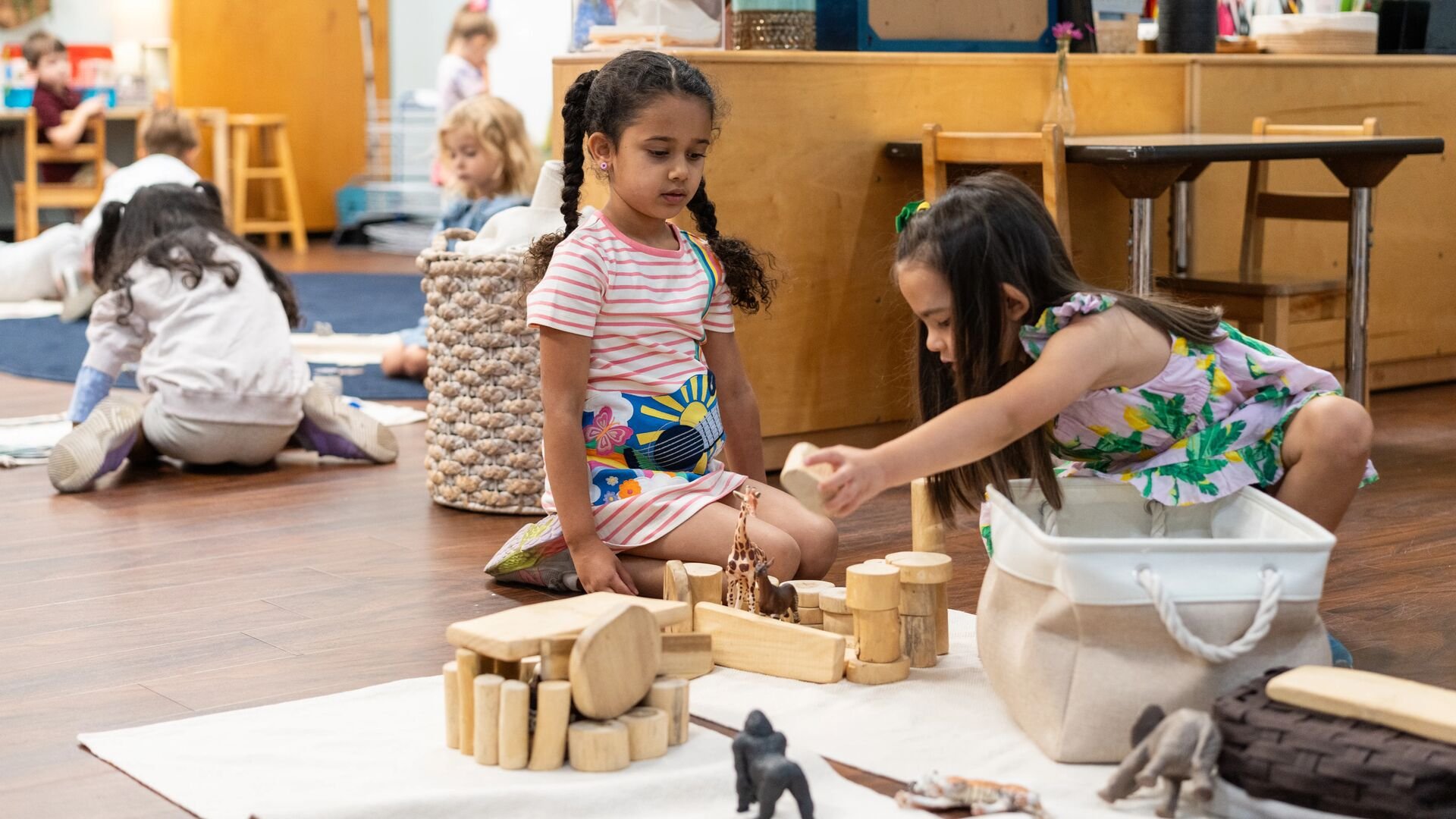
In the Montessori environment, where there is only one set of each activity, children learn to wait their turn and cope when a favorite activity is unavailable. These experiences teach patience and help them see alternatives. For example, if a student misses a turn with a popular material, they learn to wait or choose another activity, fostering a flexible, solution-focused mindset. It also provides teachable moments: rather than feeling frustrated, students can learn to ask a friend, “Can I have a turn when you’re done?” This lesson in social flexibility is invaluable, teaching kids to communicate and find solutions instead of fixating on the obstacle.
Flexible thinking helps children recognize that while setbacks are a part of life, they don’t have to disrupt their entire day. A child who can think creatively in the face of disappointment may still feel the sting but can quickly pivot to a new task, staying positive and engaged.
Reinforcing Flexible Thinking at Home
Parents play a key role in nurturing flexible thinking. Here are some ways to promote it at home, which will enable their independence and lower their anxiety when faced with new or unexpected situations.
- Model flexibility: Show your child how you adjust to changes, like altering dinner plans if a restaurant wait is too long.
- Encourage fair play: Play board games fairly so children learn to handle both winning and losing.
- Use limited choices: Allow children to choose between two or three options rather than unlimited choices to foster decision-making.
- Support independence: Give your child age-appropriate responsibilities to build confidence and competence.
- Allow small failures: Let children experience minor disappointments, which prepares them to handle bigger challenges as they grow.
Start Your Child on the Path to Flexible Thinking
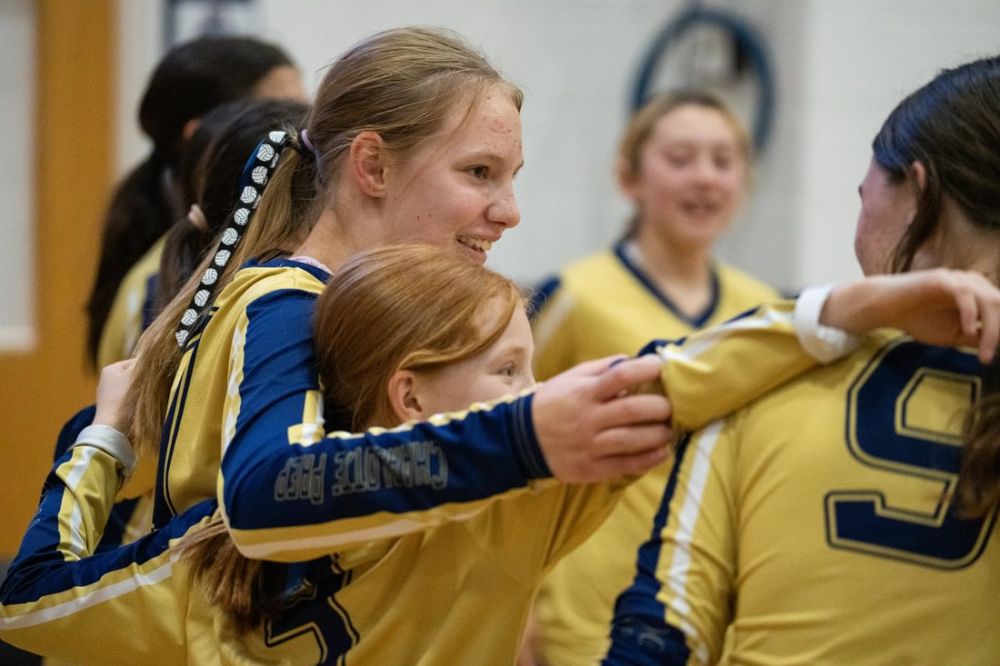
At Charlotte Prep, we’re preparing students for more than academic success. Through experiences in sports, fine arts, clubs, and student council, students learn to embrace challenges, adapt, and think creatively. Flexible thinking isn’t just about handling today’s obstacles; it’s about setting children up for a lifetime of growth, resilience, and empowered learning—a hallmark of a Charlotte Prep education. When children are given the space and guidance to become flexible thinkers, they learn that challenges aren’t barriers; they’re stepping stones to success.
More News from Charlotte Prep
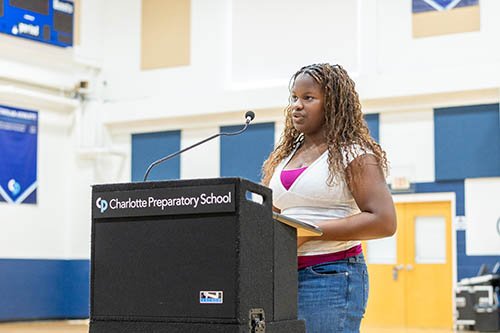 Oct22Brooke's Prep Story
My name is Brooke, and I am currently serving as Charlotte Prep student council vice president. I feel as though I’ve truly grown up at Charlotte Prep. I have attended this school since kindergarten and have appreciated the nurturing, supportive, and inclusive community throughout my years here.
See Details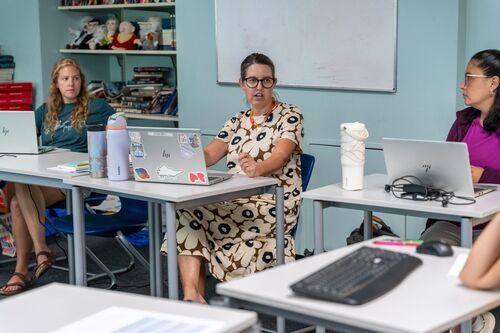 Sep24Building the Foundations for Student Learning
During our in-service professional learning day in August, we reflected on six years of curriculum development since launching our summer grant program in 2021. What began that year as a group of only eight teachers has grown into a cohort of twenty-four summer grant participants, all working to strengthen and elevate our academic program.
See Details Sep17Get to Know Katie Keels
Joining Charlotte Prep as director of philanthropy this year, Katie Keels brings 14 years of advancement experience, 11 of which were spent at a K-8 school. Read our Q&A to discover what inspires her approach to philanthropy and her vision for nurturing a joyful, community-centered culture of giving.
See Details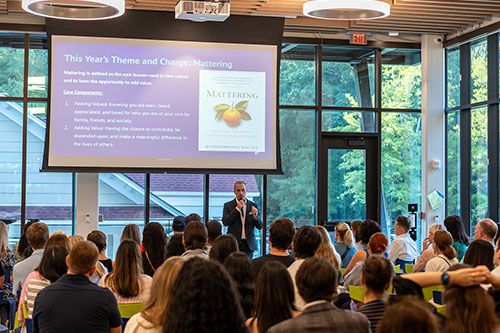 Sep3A Campus Culture Where Everyone Matters
Last week, a parent told me that her child begs to come to school and doesn’t want to leave at the end of the day, something she never felt as a kid. That conversation offered a great image for what I want our theme to be this school year: Mattering.
See Details